
Michael Ganslmeier
Assistant Professor in Data Science · University College London
I search for correlation and causation.
About

I'm an Assistant Professor in Data Science at University College London. I use causal methods to study how decisions affect people's live and how reliable such scientific findings are. I work with universities, governments, international organisations, and companies on applied data and evaluation problems.
Positions
- Assistant Professor in Data Science, UCL (2026–)
- Data Scientist & Consultant, World Bank (2023–)
- Assistant Professor, University of Exeter (2024–25)
- Postdoctoral Fellow, LSE (2022–24)
Education
- DPhil, University of Oxford
- MSc, London School of Economics
- Visiting, Columbia University
- BA, Zeppelin University
Affiliated with





Research
Below, you can find a selection of my published papers and ongoing research projects.
Publications
-
When Habit Prevails: A Causal Test of Policy Feedback Theory Using a Pension Reform
Does receiving a government benefit make you more likely to vote? A natural experiment using pension policy.
-
From Pledge to Poll: Investigating the Impact of Campaign Promises on Party Alignment
Do parties actually win voters when they make targeted campaign promises? A causal test using a German election.
Authors: Michael Ganslmeier · Paper · Replication -
Estimating the Extent and Sources of Model Uncertainty in Political Science
Why most political science findings change depending on how you measure them, and a systematic way to quantify this empirical uncertainty.
-
On the Limits of Justified Model Spaces
Making disagreement visible: why narrowing model space cannot resolve fragility in empirical research.
Authors: Michael Ganslmeier, Tim Vlandas · Paper -
Are Climate Change Policies Politically Costly?
Governments fear that climate policies cost votes. The evidence says otherwise, if designed right.
-
Compliance with the First UK COVID-19 Lockdown
Who followed the rules and who didn't, and how weather shaped compliance during the first UK lockdown.
Authors: Michael Ganslmeier, Jonathan Van Parys, Tim Vlandas · Paper -
The Impact of Weather on the COVID-19 Pandemic
Temperature, humidity, and seasonality as key drivers of COVID-19 transmission across countries.
-
Ageing and the Economy: A Literature Review of Political and Policy Mechanisms
How population ageing reshapes electoral politics and fiscal policy, a systematic review of the evidence.
-
On the Complementarity between Labour Market Regulation and Tax Reforms in the EU
Why labour and tax reforms work better together, evidence from European structural adjustment programmes.
-
Structural Reforms in Europe: Lessons from Early Experiences
What Europe's first wave of structural reforms actually achieved, and what it didn't. Lessons for future reform design.
Authors: Orkun Saka, Angelo Martelli, Michael Ganslmeier, Yuemei Ji, Nauro F. Campos, Paul De Grauwe · Chapter
Work in Progress
-
Empirical Identification of Feasible and Strategic Climate Policies
Which climate policies are politically and institutionally viable? A data-driven map.
Authors: Penny Mealy, Michael Ganslmeier, Stephane Hallegatte · Funded by World Bank -
Rising Heat in the Labor Market: Evidence from European Regions and Firms
How rising temperatures affect productivity, employment, and output across European regions and firms.
Authors: Luca Bettarelli, Thomas Farole, Michael Ganslmeier, Indhira Santos, Marc Schiffbauer -
Harmonised Daily Climate Indicators at Country, State, and District Level, 1950–2025
A research-ready database of daily climate indicators for 39,096 districts across 194 countries, spanning 1950 to 2025.
Authors: Michael Ganslmeier, Luca Bettarelli, Davide Furceri, Marc Schiffbauer · Funded by World Bank -
The Economic Costs of Temperature Volatility
Volatile temperatures, not just rising averages, are damaging economic output. Estimates from US firms.
Authors: Luca Bettarelli, Davide Furceri, Michael Ganslmeier, Marc Schiffbauer · Funded by World Bank / IMF -
Firm-Level Climate Change Adaptation: Micro Evidence from 134 Nations
How are firms actually adapting to climate change on the ground? Survey evidence from 134 countries.
Authors: Claudia Berg, Luca Bettarelli, Davide Furceri, Michael Ganslmeier, Arti Grover, Megan Lang, Marc Schiffbauer -
Death by a Thousand Cuts: Pension Benefits Reduce Mortality
Do higher pension benefits help retirees live longer? Causal evidence from a US pension reform.
Authors: Michael Ganslmeier, Margaryta Klymak, Tim Vlandas -
Political Integration and Trust in Foreigners
Does deeper political integration between nations reduce distrust of outsiders? Evidence from European integration.
Authors: Barry Eichengreen, Michael Ganslmeier, Orkun Saka
Writing
I write about research and evidence for non-academic audiences. If you're a journalist or editor, feel free to get in touch.
-
We have an Exercise Crisis at Universities
When AI removes the friction from an exercise, it removes the learning too. Why the struggle was always the point.
-
AI Cannot Produce the Most Important Kind of Knowledge for Decision-Making
Why AI cannot generate causal knowledge, understanding what outcomes follow from actions, which is exactly what good decision-making requires.
-
Assessing the Degree and Drivers of Sensitivity in Political Science
How far do defensible modelling choices move published findings? A tour of billions of regression estimates.
-
Even Honest Research Results Can Flip
Good-faith research, standard methods, transparent data, and still contradictory conclusions. Why, and what to do about it.
-
Campaign promises as political coupons: Future benefits sway, but don't retain, voters
Why voters respond to promised benefits but forget about them quickly.
-
Taking Stock of Welfare State Determinants: A New Approach to Assessing Robustness
A non-technical introduction to model uncertainty analysis and why it matters for comparative research.
-
The Short Life of a Campaign Promise: When Voters Trade Loyalty for Benefits
Why the effect of campaign promises does not last long
-
Mütterrente: Wenn Rentenversprechen Wahlen entscheiden
Wie Rentenversprechen Wahlverhalten beeinflussen, eine kausale Untersuchung aus Deutschland.
-
Social Distancing Measures: Warmer Temperatures Have a Substantial Effect on Non-Compliance Among Certain Groups
On the behavioural politics of pandemic compliance, and what weather has to do with it.
-
Who Complies with Lockdown Measures in the UK?
A data-driven breakdown of which groups followed the rules, and why it matters for policy design.
-
Design of Climate Change Policies Needs to Internalise Political Realities
Why technically optimal climate policies often fail politically, and what that means for how we design them.
-
No More What Without the Why
On the limits of predictive modelling and the case for putting causal thinking at the centre of data science.
-
Labour Market Regulation and Tax Reform Complement Each Other
Why structural reforms in Europe work better in combination, evidence from EU policy data.
Software
Some of my research has produced open-source tools that make advanced statistical methods easier to use. The packages/software below grew out of specific projects and are freely available.

sensiverse
An R package for sensitivity and model uncertainty analysis in the social sciences. Explore large model spaces, quantify robustness, and visualize uncertainty.
PNAS Paper · GitHub · Tutorial

Global Weather Map
An interactive climate data platform built for the World Bank. Maps temperature, precipitation, and extreme event trends using ERA5 weather data.
Teaching
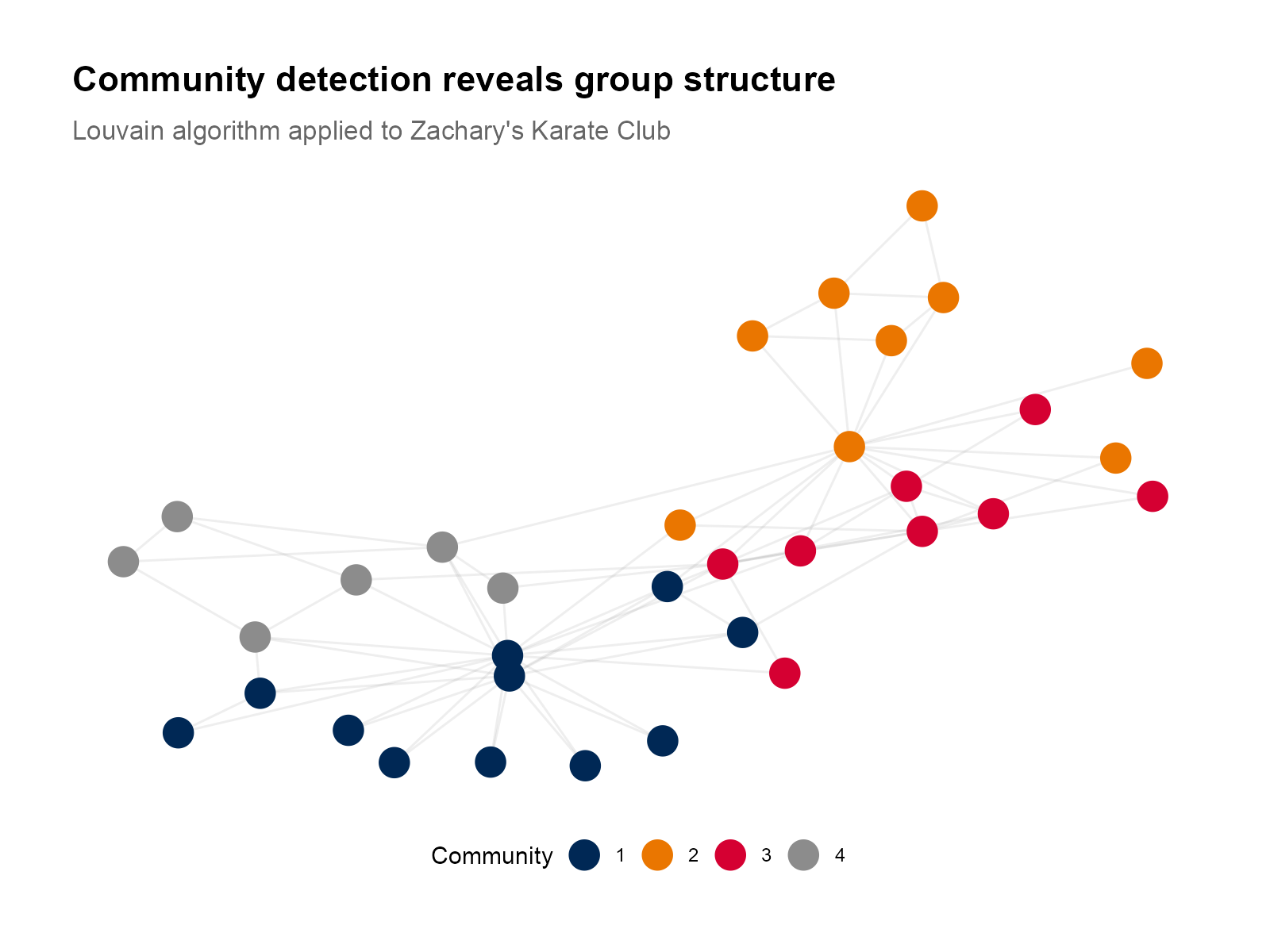
Data Visualization
University College London
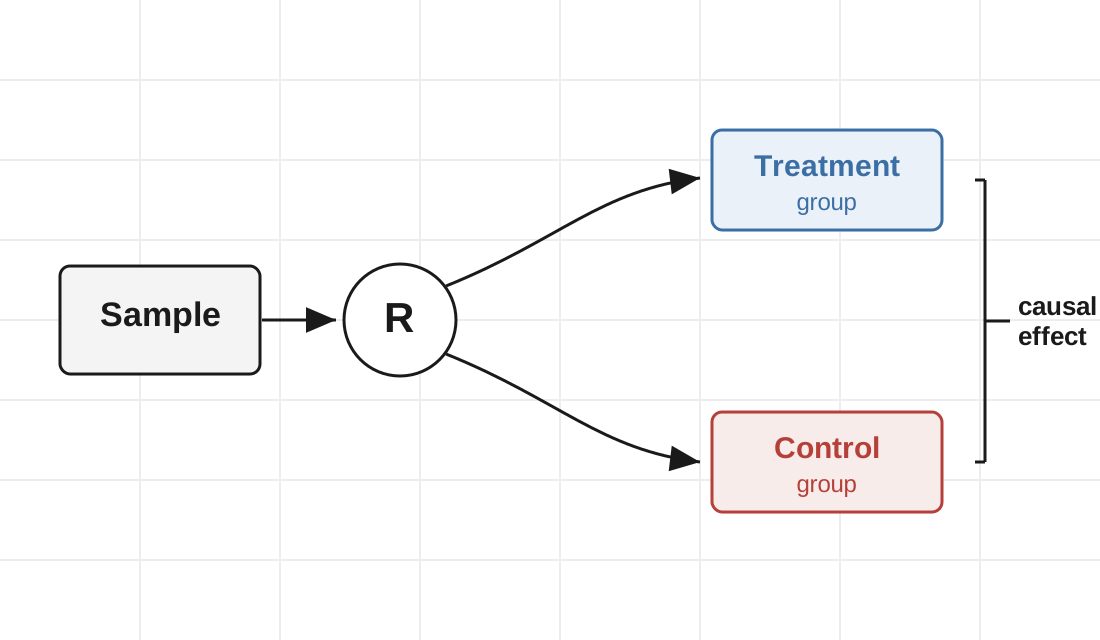
Research Design
University College London
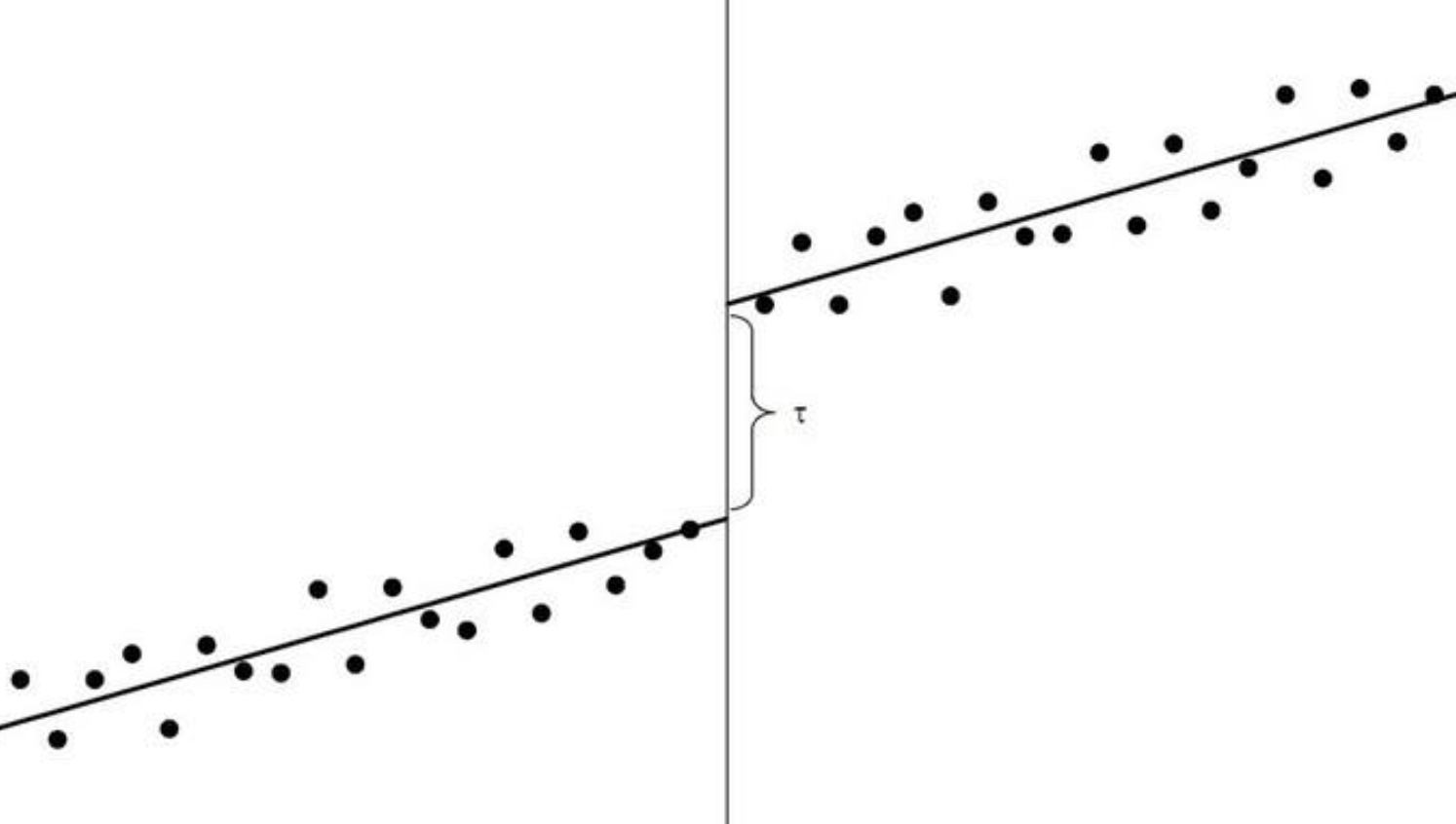
Causal Methods for Policy Evaluation
University of Exeter
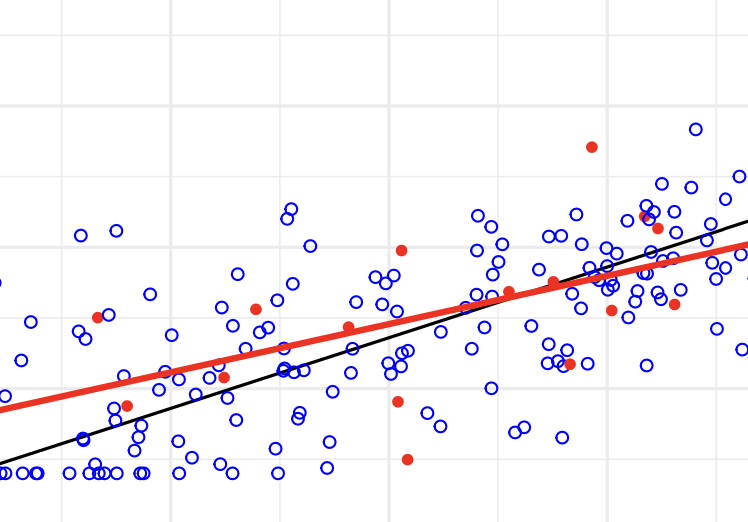
Data Analysis in Social Science II
University of Exeter
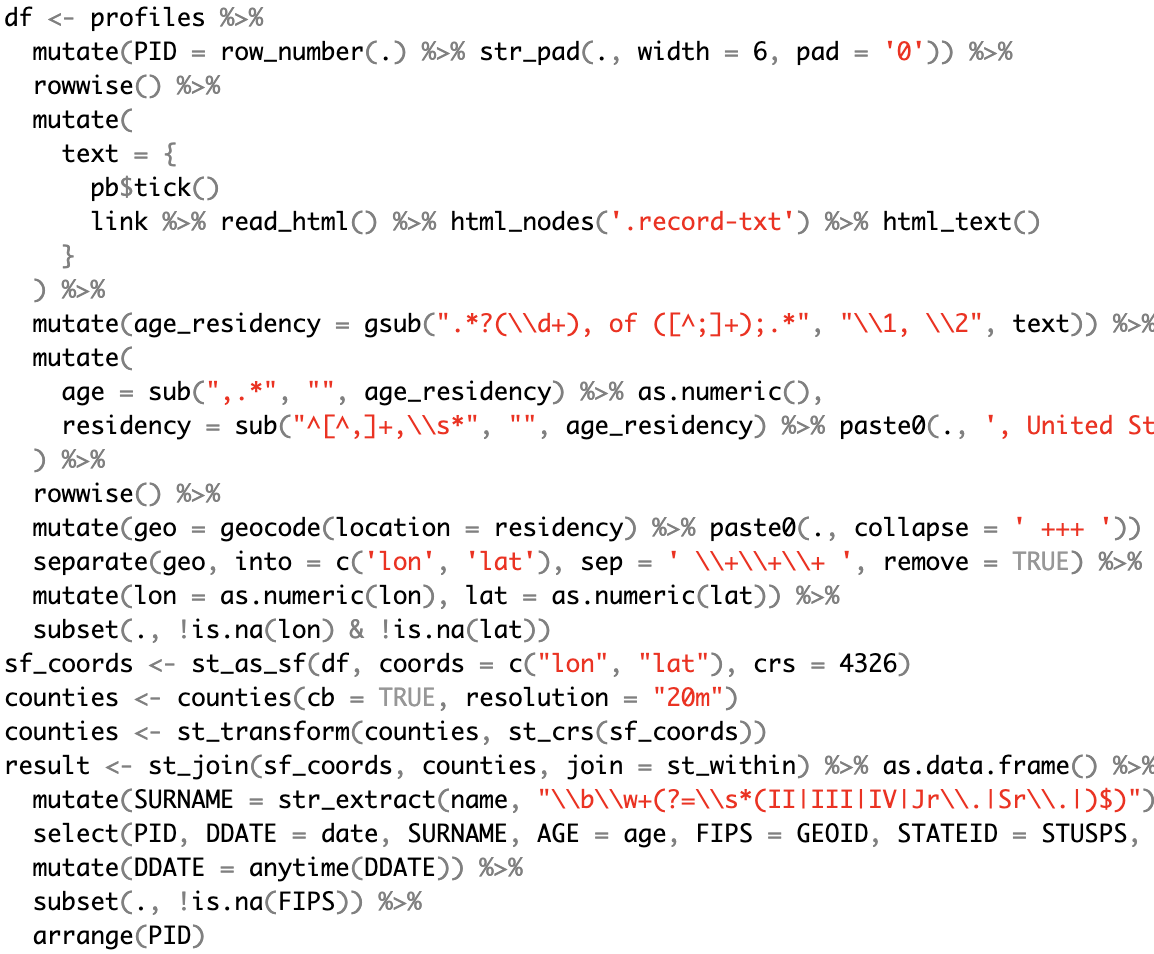
Introduction to Programming
University of Exeter
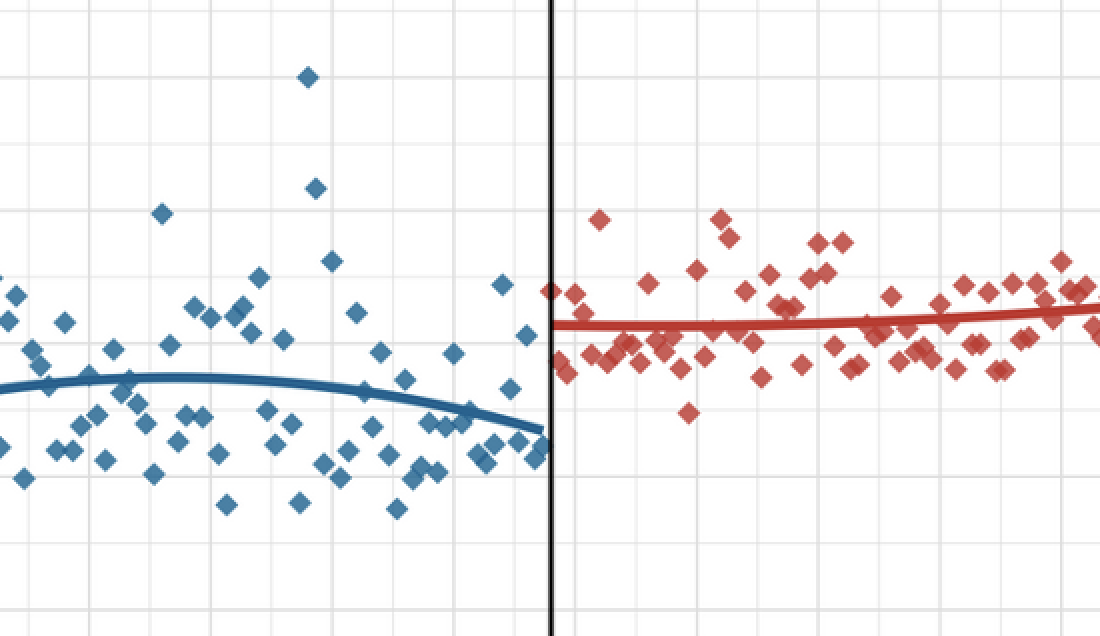
Causal Inference for Observational Studies
Causal Inference for Observational Studies
London School of Economics
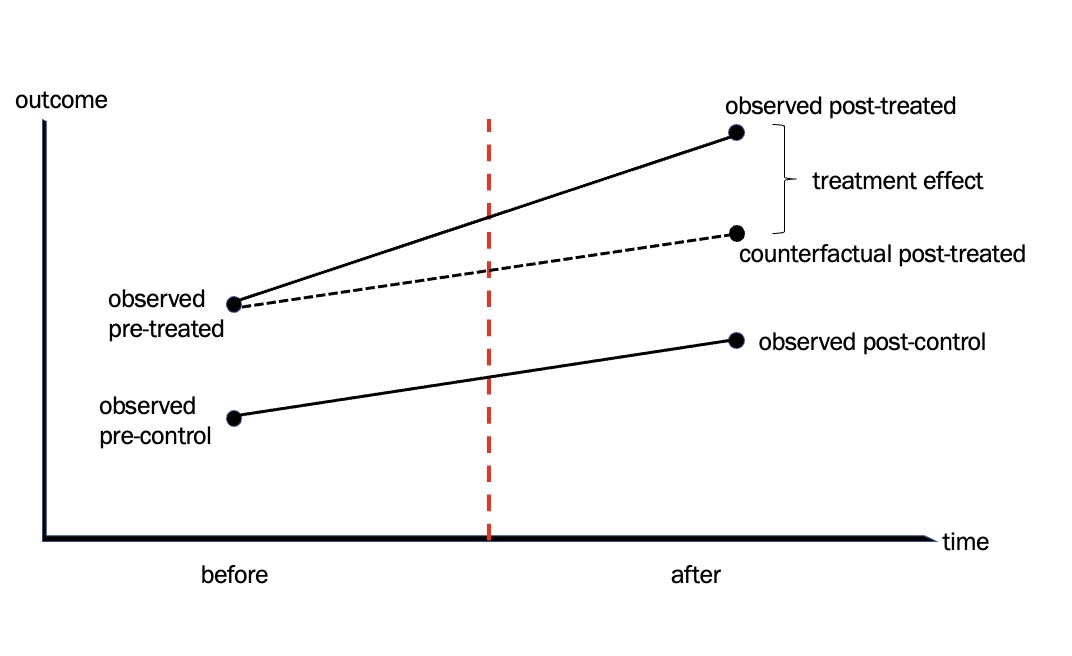
Research Design for Policy Evaluation
Research Design for Policy Evaluation
London School of Economics
Applied Regression Analysis
Applied Regression Analysis
London School of Economics
Consulting
I help organisations to use data to evaluate policies and make better decisions.
Policy & Decision Evaluation
Measuring whether individual and organisations' decisions work in practice, and what difference they make in the real world.
Statistical Analysis & Machine Learning
Turning complex real-world data into clear analysis for decision-making, using statistical models and machine learning.
AI & Data Training
Tailored training on statistical thinking, AI, and how to evaluate data-driven work.
Public Opinion
Understanding what drives public support and political behaviour.
Climate & Environment
Analysis of environmental policies and adaptation strategies.
Health
Analysis of public health interventions on health outcomes.
Past and current engagements



Get in touch
I'd be happy to hear from you.
Contact
If you would like to discuss research collaboration, consulting, or public speaking, feel free to get in touch. I work with universities, international organisations, governments, NGOs, and companies.
michael.ganslmeier@ucl.ac.uk
Twitter / X
@GanslmeierM
Google Scholar
Publication record & citations
michael-ganslmeier
GitHub
MGanslmeier
Office
UCL, Foster Court
London WC1E 6BT